Pricing & How-To
 RapBooster Growth Team
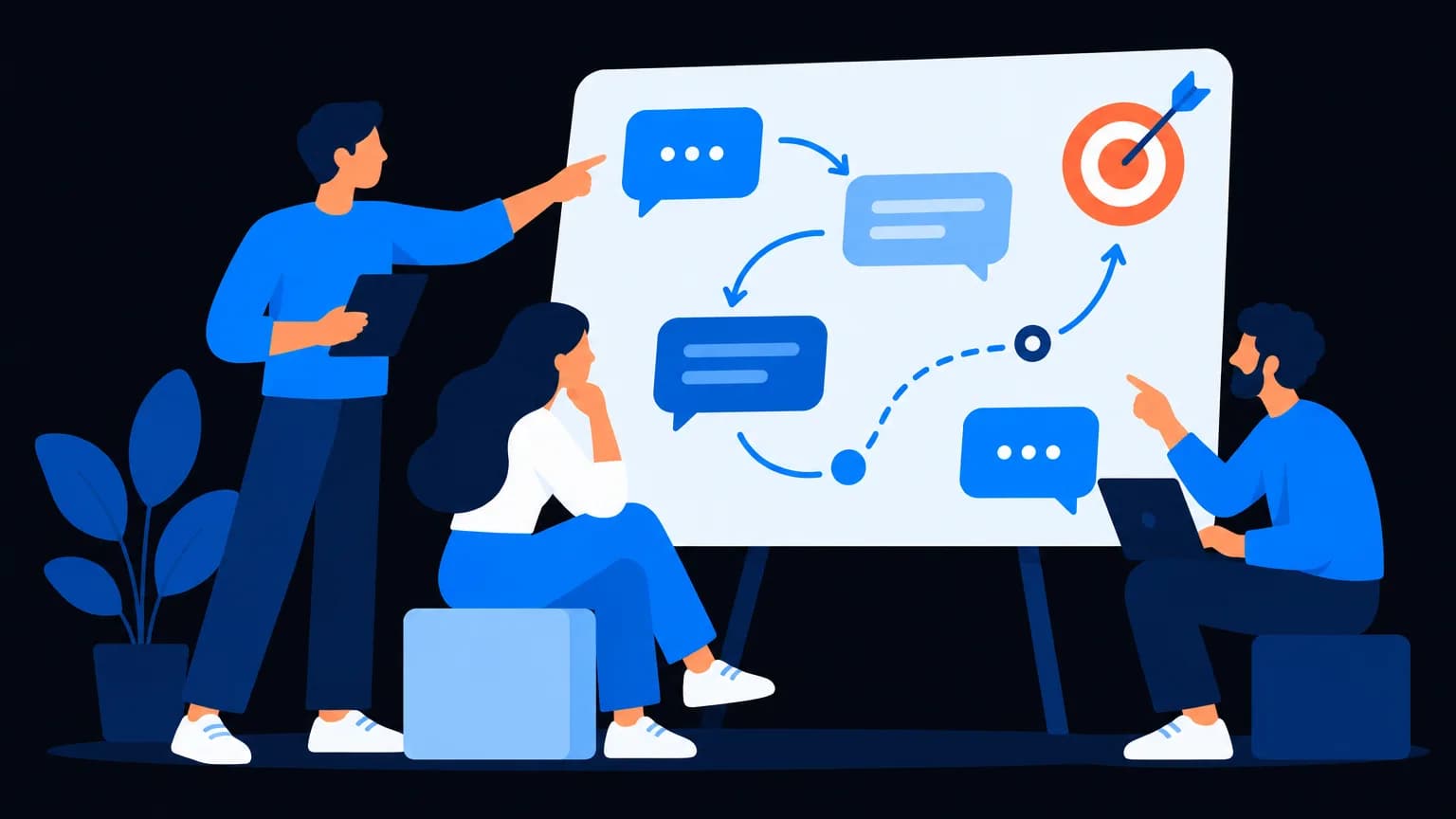
A WhatsApp marketing strategy that converts combines always-on automated journeys (welcome, abandoned cart, post-purchase, win-back) with a few targeted broadcasts (launches, festive offers, restocks), sent only to opted-in, segmented contacts. Every message has one goal and one button, and you judge success by replies and sales, not delivery.
First: build the list the right way
No list, no strategy. Grow opted-in contacts through:
- Click-to-WhatsApp ads (guide)
- Website chat button and pop-ups offering something useful
- Checkout opt-in: "Get order updates on WhatsApp"
- QR codes on packaging, bills and store counters
- Instagram bio and story links
The 12 campaigns
1. Welcome series
Triggered when someone opts in. Introduce the brand, share a best seller, offer a first-order perk.
Hey Priya 👋 Welcome to Chai Theory! Here's 10% off your first order: CHAI10. Want our top 3 blends?
2. Abandoned cart recovery
Nudge within 1–3 hours. It's one of the highest-ROI campaigns there is. Full playbook: abandoned cart recovery.
3. Order and delivery updates
Utility templates that build trust (and cost little). Add a "Need help?" button.
4. Post-purchase care
Usage tips a few days after delivery: "Here's how to get the best out of your new air fryer."
5. Review requests
One week after delivery, ask for a quick rating via buttons, then a Google review link for happy customers.
6. Replenishment reminders
For consumables: "Your 30-day supply is running low. Reorder in one tap?"
7. Back in stock
Let people join a waitlist in chat. Restock alerts have some of the best engagement you'll see.
8. Product launches
Segment by past purchases. Tease with a short video, and give early access to loyal customers.
9. Festive campaigns
Diwali, Holi, Eid, Christmas, Onam and regional festivals. Plan the calendar, and don't send a promo every day of the festival season.
10. Referral program
Loved your order? Share this link with a friend. They get ₹200 off and you get ₹200 credit 🎁
11. Event and webinar reminders
Registration confirmation, a reminder one day before, a one-hour-before link, then the replay.
12. Win-back
For customers inactive for 60–90 days: a personal note, what's new, and a small incentive.
How do you plan the calendar?
| Week | Automated (always on) | Broadcasts |
|---|---|---|
| 1 | Welcome, cart, updates | New arrivals (segment: past buyers) |
| 2 | Same | Tips or content (no hard sell) |
| 3 | Same | Offer (segment: engaged, non-buyers) |
| 4 | Same | Restock or community (review highlights) |
Two broadcasts a week is plenty for most brands. Automated journeys do the heavy lifting.
How do you segment?
At minimum, segment by:
- Purchase history: buyers vs non-buyers, category bought
- Recency: active in the last 30 days vs dormant
- Location: city or country (prices and delivery differ)
- Language: English, Hindi, regional or Arabic
- Engagement: replied or clicked recently
What should you measure?
| Metric | Why |
|---|---|
| Read rate | Is the audience still interested? |
| Button click rate | Is the offer compelling? |
| Reply rate | Is the conversation working? |
| Revenue per campaign | The only number your CFO cares about |
| Blocks and opt-outs | Early warning for quality issues |
The cost reality check
Marketing templates cost more than utility ones, so utility journeys and service replies (1,000 free a month per number) are your cheapest wins. See Meta's categories explained.
Your 90-day rollout plan
Month 1: foundation
- Move to the WhatsApp Business API and set up your profile
- Add opt-in points: website button, checkout checkbox, QR codes
- Launch the welcome series and order or booking updates
- Build a simple chatbot for your top questions
Month 2: revenue journeys
- Turn on abandoned cart or lead nurture
- Add post-purchase care and review requests
- Send your first segmented broadcast to recent buyers
- Start click-to-WhatsApp ads with a small budget
Month 3: optimise and expand
- Add replenishment, back-in-stock and win-back journeys
- Launch a referral programme
- Compare revenue per campaign and cut underperformers
- Test Hindi, regional or Arabic templates where relevant
What does a good broadcast look like?
Hi Riya, new monsoon drop is live 🌧️ 3 waterproof sneakers picked for you, based on your last order. [See the drop] Reply STOP to opt out
Why it works: a personal first line, a clear reason to care, a relevant recommendation, one button and an easy opt-out.
Team and tools you'll need
| Need | Solution |
|---|---|
| Sending and templates | WhatsApp Business API via RapBooster |
| Automations | Journey builder, store and CRM integrations |
| Conversations | Shared team inbox with routing |
| Data | Tags, segments and campaign analytics |
| Creative | Product images, short videos and copy |
You don't need a big team. One marketer with good automations can run a very effective WhatsApp programme.
The bottom line
The best WhatsApp strategies feel like a helpful shop assistant, not a loudspeaker. Automate the journeys, broadcast sparingly and segment always. Start with welcome, cart and post-purchase, then add the rest.
 Questions first? Chat with us on WhatsApp