Pricing & How-To
 RapBooster Growth Team
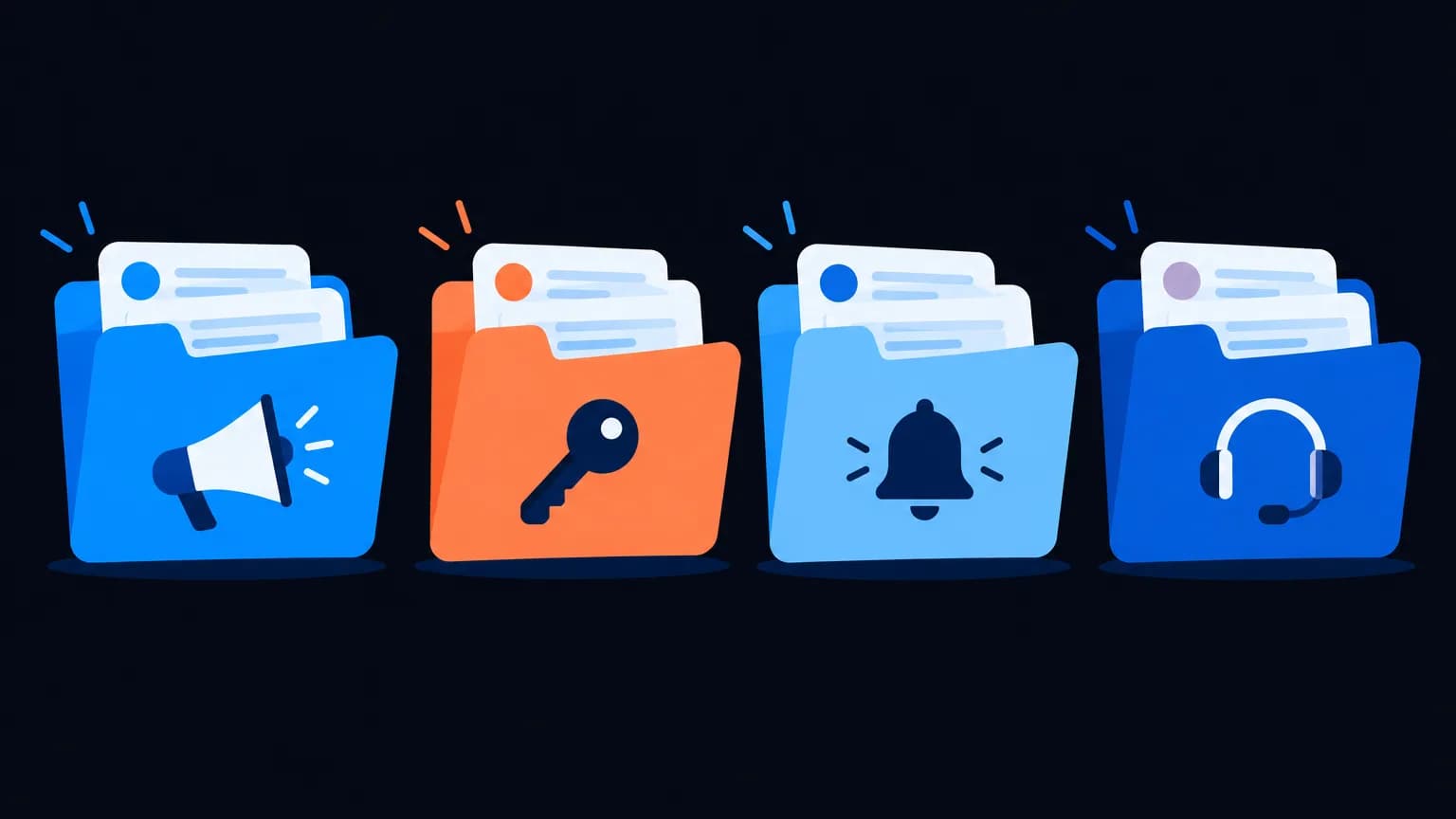
Meta charges WhatsApp Business API users per delivered template message, priced by category: marketing (offers and promotions, the most expensive), utility (transaction updates, cheap) and authentication (OTPs, cheap). Service messages, meaning your free-form replies within 24 hours of a customer's message, get 1,000 free per number each month from 1 Oct 2026, then the utility rate. The country code of the recipient sets the rate.
Why did the pricing model change?
Until mid-2025, Meta charged per 24-hour "conversation": one fee covered everything you sent in that window. Meta switched to per-message pricing for templates to make costs more predictable and to push businesses toward relevant messaging. If you read an older guide that talks about conversation fees, that's why it looks different.
What are the four types, in plain English?
Marketing
Anything that tries to get the customer to buy, return or engage: sales, new arrivals, festive greetings, "we miss you", abandoned-cart nudges with offers.
India rate (from 1 Oct 2026): ~₹0.86 per delivered message.
Utility
Messages about something the customer already did or asked for: order confirmations, shipping updates, payment receipts, appointment reminders, account alerts.
India rate (approx.): ~₹0.12 per delivered message. From 1 Oct 2026 this applies inside an open customer-service window too.
Authentication
One-time passwords and login codes. Short, strict format, no promotion.
India rate (approx.): ~₹0.12 per delivered message.
Service
When a customer messages you, a 24-hour window opens. Your free-form replies inside it need no template. From 1 Oct 2026, each number gets 1,000 free service messages a month, then the utility rate.
Rates are approximate and change. Always check Meta's current rate card. Meta bills these charges to you directly, and RapBooster adds nothing per message.
How do you pick the right category?
| Message | Category | Why |
|---|---|---|
| "Your order #812 has shipped" | Utility | About an existing order |
| "Your order shipped! Use code EXTRA10 on your next buy" | Marketing | Contains a promotion |
| "Your OTP is 482913" | Authentication | Login code |
| "Happy Holi from Team Chai Point! 🎨" | Marketing | Brand engagement |
| "Your class is at 6 pm today" | Utility | Account/service update |
| Reply to "Do you have size M?" | Service | Customer-initiated |
Rule of thumb: if there's anything the customer didn't ask for that nudges them to spend, it's marketing.
How does the 24-hour window save you money?
Every time a customer messages you, a clock starts. For the next 24 hours (rules from 1 Oct 2026):
- Your normal replies need no template: 1,000 free service messages per number each month, then the utility rate
- Utility and marketing templates are charged as usual
- Their incoming messages are always free
If the chat started from a click-to-WhatsApp ad or a Page call-to-action (a free entry point), everything you send is free for 72 hours.
So the game is to start more conversations from the customer's side:
- Click-to-WhatsApp ads
- QR codes on packaging, bills and store counters
- "Chat with us" buttons on your website
- Instagram bio links to WhatsApp
Does the recipient's country matter?
Yes, a lot. Meta prices by the recipient's country code. A marketing message to a UAE or Saudi number costs several times more than one to an Indian number. If you sell across India and the GCC, segment campaigns by country and budget separately.
What are the common mistakes that inflate bills?
- Promos inside shipping updates. They turn a cheap utility message into a marketing one.
- Blasting everyone. Marketing costs add up fast on unsegmented lists.
- Slow replies. If you answer after 24 hours, you need a paid template to reply.
- Ignoring failed deliveries. Clean numbers that aren't on WhatsApp out of your lists.
A quick cost example
A D2C brand sends 10,000 shipping updates (utility) and 4,000 festive promos (marketing) to Indian customers in a month:
- Utility: 10,000 × ~₹0.12 = ~₹1,200
- Marketing: 4,000 × ~₹0.86 = ~₹3,440
- Plus the WhatsApp Marketing plan for your number (see pricing), excl. GST
From 1 Oct 2026, utility templates are charged even while customers are chatting, but questions they ask can be answered as service replies, with 1,000 free per number each month. See the full pricing guide.
How should you design journeys around categories?
The smartest WhatsApp programmes are designed so most messages fall into the cheap buckets or the free allowances, while marketing spend is reserved for campaigns that genuinely earn it.
Journey 1: e-commerce order
- Customer places an order: utility confirmation
- Customer asks "When will it arrive?" and a service window opens: service replies (1,000 free a month per number), while the shipping update template is charged as utility
- Delivered: utility message
- A week later: review request (marketing if it pushes a new purchase, utility if it's strictly about their order experience; Meta decides based on content)
Journey 2: clinic appointment
- Booking confirmation: utility
- Reminder the day before: utility
- Patient replies "Can I come at 5 instead?": service window, service replies (within the 1,000 free a month)
- Follow-up health tips with a discount on the next check-up: marketing
Journey 3: lead from an ad
- Customer taps a click-to-WhatsApp ad and messages first: a 72-hour free entry point window opens
- Chatbot qualifies and shares a brochure: free
- Salesperson follows up two days later outside the window: needs a template (utility if it's about their specific enquiry, marketing if it promotes an offer)
Frequently confused examples
| Message | Likely category |
|---|---|
| "Your EMI of ₹4,200 is due on 5 October" | Utility |
| "Pay your EMI early and get 2% cashback" | Marketing |
| "Your password was changed. Not you? Tap here" | Utility |
| "Welcome! Here's 10% off your first order" | Marketing |
| "Your appointment is confirmed for Monday 11 am" | Utility |
| "We have new slots this weekend, book now!" | Marketing |
When in doubt, remove anything promotional from a utility template and send the promotion separately to people who opted in to offers.
How RapBooster keeps the maths visible
RapBooster's dashboard shows sends by category and country, so you can see exactly where your Meta charges come from, which templates drive them, and how much of your monthly free service allowance you've used. RapBooster adds nothing per message on top of Meta's charges; the plan is priced per number (see pricing).
The bottom line
Categories aren't paperwork; they're your price list. Be honest about categories, design journeys that make customers message first, and reply fast. Your WhatsApp bill will thank you.
 Questions first? Chat with us on WhatsApp