Pricing & How-To
 RapBooster Growth Team
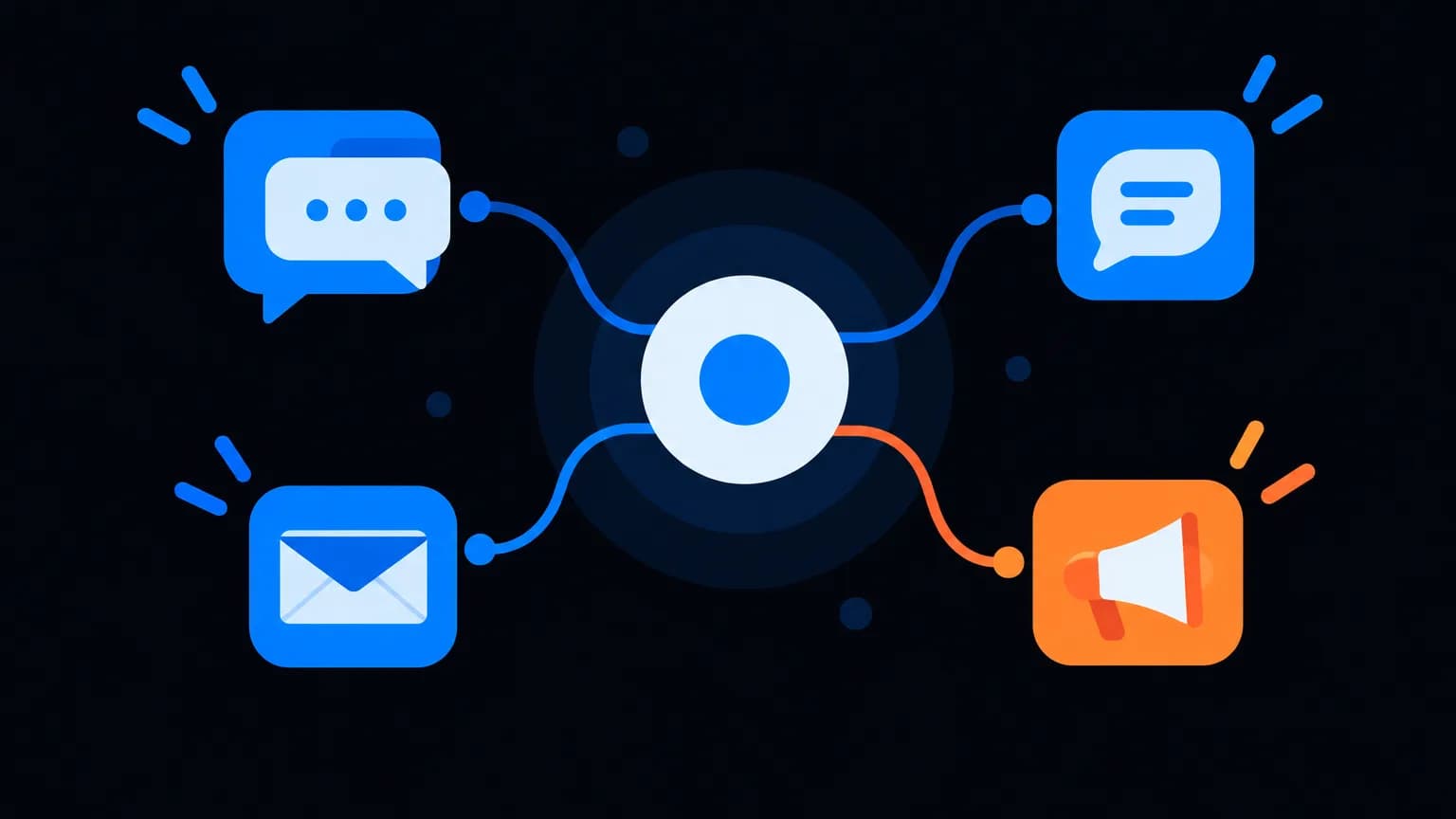
Omnichannel marketing means your customer experiences one connected conversation across WhatsApp, email and RCS, not three separate blasts. For small businesses, the winning setup gives each channel a clear job: WhatsApp for conversations and time-sensitive updates, email for detail and long-term nurturing, and RCS for rich, branded messages on Android. All of it is driven by one customer record, so every message reflects what the customer actually did.
Give each channel a job
| Channel | Best at | Typical uses | Watch out for |
|---|---|---|---|
| Two-way conversation, urgency | Order updates, reminders, support, offers to opted-in customers | Meta template rules, quality rating, opt-in | |
| Depth and long-form | Newsletters, onboarding, invoices, content | Deliverability (SPF/DKIM/DMARC), spam folders | |
| RCS | Rich, branded mobile messages | Carousels, verified-sender promos, cart recovery | Device and carrier support |
| CRM | Memory | Unified profile, triggers, tasks | Keeping data clean |
Sample flow 1: new lead (services)
- Lead arrives from an ad or website form → saved in the CRM.
- WhatsApp (instant): "Hi Priya! Thanks for your enquiry. Here's our price list 📄. Want a quick call?"
- Email (same day): a detailed brochure, case stories and FAQs.
- Day 2 (no reply): a WhatsApp reminder with quick-reply buttons: Book call · See prices · Not now.
- Day 5: an email with a testimonial and a limited offer.
- Sales call is logged in the CRM, and the next steps are automated.
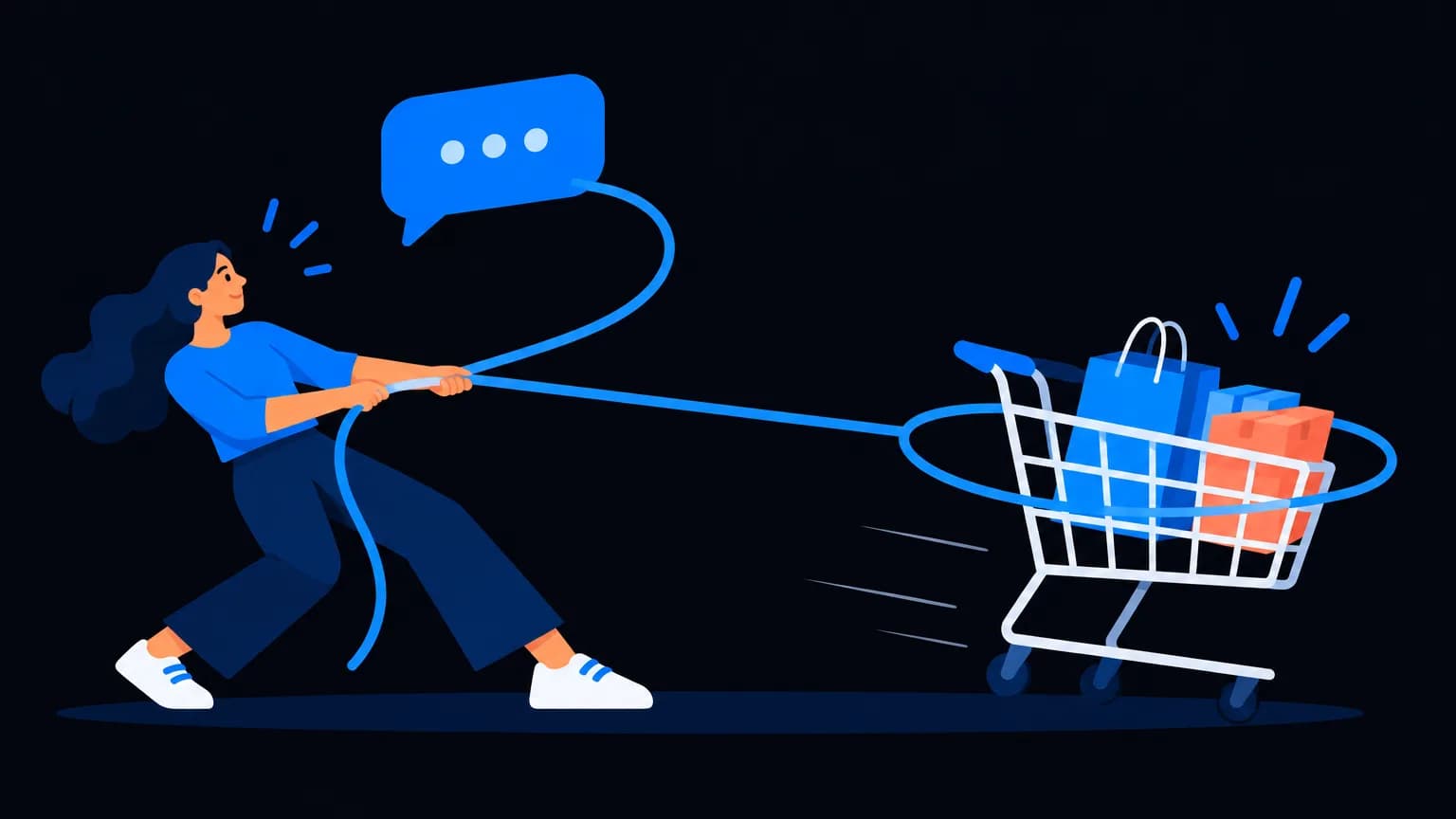
Sample flow 2: abandoned cart (D2C)
- 30 minutes: an RCS rich card with the product image and a "Complete order" button (RCS only reaches supported phones, so keep a WhatsApp or email follow-up).
- 4 hours: a WhatsApp message with a cart link and a COD or UPI option.
- 24 hours: an email with product reviews and a small incentive.
- Stop everything the moment the order is placed.
See the full WhatsApp abandoned cart recovery playbook.
Sample flow 3: retention
- Monthly email newsletter (content and new arrivals)
- WhatsApp broadcast only for high-value moments (sale, restock, festival)
- RCS carousel for seasonal collections
- Review request on WhatsApp 7 days after delivery
Rules that keep it working
- Consent per channel: record opt-ins for WhatsApp, email and RCS.
- Frequency caps: e.g. at most 2 marketing WhatsApps per week per customer.
- Suppression: stop the sequence when the customer converts or replies.
- Preference centre: let customers choose their channel.
- One source of truth: a CRM with every interaction logged.
What does it cost with RapBooster? (excl. GST)
| Component | Price |
|---|---|
| WhatsApp platform | A plan per WhatsApp number; Meta bills its message fees to you directly, RapBooster adds nothing per message |
| A plan per connected mailbox | |
| RCS | The RCS app is free; messages are paid from credits |
| RapBooster CRM | One plan, ₹1,799/month (₹1,499/month yearly), 5 users included |
Every cloud tool starts with a free trial, no card needed. See all pricing.
30-day rollout plan
- Week 1: set up WhatsApp and email, and import contacts with consent flags.
- Week 2: build the new-lead flow and train the team on the shared inbox.
- Week 3: add the cart-recovery or reminder flow and set frequency caps.
- Week 4: add RCS for rich promos, review the metrics and prune what isn't working.
Compare channels in detail: RCS vs SMS vs WhatsApp.
 Questions first? Chat with us on WhatsApp