Pricing & How-To
 RapBooster Growth Team
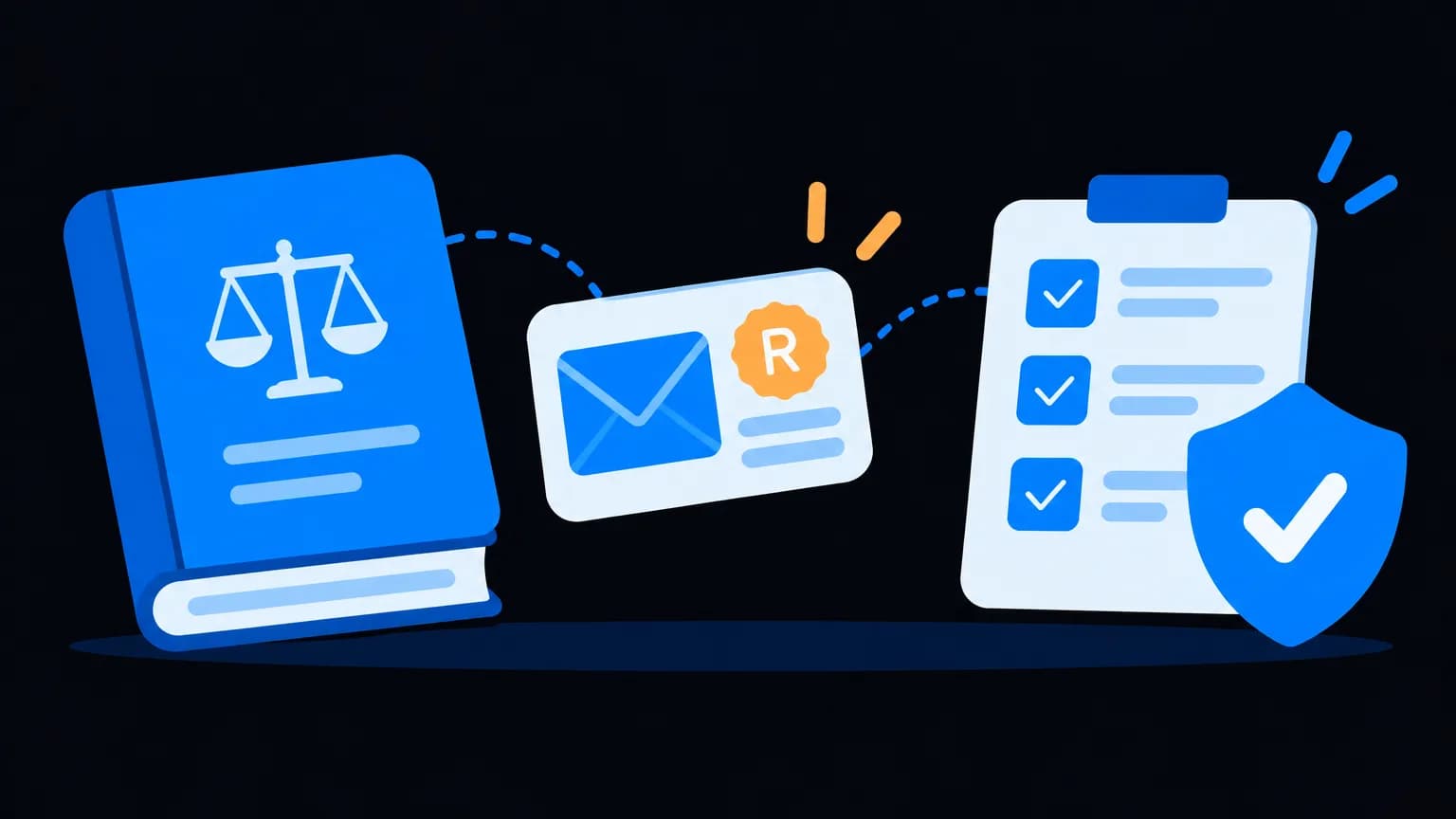
In India, all commercial SMS must follow TRAI's Telecom Commercial Communications Customer Preference Regulations, implemented through operators' DLT (Distributed Ledger Technology) platforms. You register your business as a principal entity, then your headers (sender IDs) and message templates. Messages must match registered templates, promotions need consent and must respect DND preferences and time windows. As of Sept 2026, this remains the core framework.
This guide is educational, not legal advice. TRAI updates its rules, so check the latest directions or talk to your telecom provider.
Why do these rules exist?
To reduce spam and fraud. Unregistered senders, fake headers and phishing links were a massive problem. DLT creates an auditable chain: who's sending, under which header, using which template, with what consent.
The key pieces
| Piece | What it is | Example |
|---|---|---|
| Principal entity (PE) | Your registered business on DLT | "UrbanThread Retail Pvt Ltd" |
| Header / Sender ID | The name that appears as the sender | "URBNTH" |
| Content template | Pre-registered message text with variables | Your order {#var#} has shipped. |
| Consent template | The wording used to collect customer consent | For promotional messages |
| Telemarketer | The SMS provider that delivers messages | Your SMS vendor |
Message categories
- Promotional: offers and marketing. Only to consenting customers and non-DND numbers for the relevant categories, within daytime hours.
- Transactional: banking OTPs and critical transaction alerts (a strict category).
- Service (implicit): messages triggered by a customer's action, like order confirmations and delivery updates.
- Service (explicit): messages sent with the customer's explicit consent.
Picking the wrong category or template means the message gets blocked.
How does DLT registration work?
- Register as a principal entity on an operator's DLT portal, with PAN, GST, business proof and a letter of authorisation.
- Register headers (sender IDs) that match your brand.
- Register content templates for each message type, with variables marked.
- Link your telemarketer (SMS provider) to your entity.
- Send, and the operator checks each message against your registered templates.
Common mistakes that get SMS blocked
- Message text doesn't exactly match the registered template
- Too many variables, or variables used to change the meaning
- Unregistered or unwhitelisted URLs
- Sending promotions at night or to DND numbers
- Using a header registered for another entity
What about links and numbers in SMS?
TRAI has tightened rules on URLs, callback numbers and APKs in commercial SMS to fight phishing. Links generally need to be registered and whitelisted with your templates. Use your own domain and keep link lists updated.
How do DLT rules affect your channel strategy?
- Rich promotions: consider RCS for branded, verified, trackable messages. See what is RCS.
- Conversations: use WhatsApp with opt-ins and templates.
- SIM-based SMS: only for consented, personal-style messages to your own customers. See SIM-based SMS.
RapBooster doesn't send DLT SMS; we focus on RCS, WhatsApp, email, and Phone Gateway for texts from your team's own phones.
Compliance checklist
- Entity, headers and templates registered and current
- Consent records kept for promotional messages
- Promotions only in allowed hours, and DND respected
- Links whitelisted
- Opt-out honoured quickly
- Customer data handled per the DPDP Act
Writing DLT templates that pass
Operators match your message against registered templates, so write templates carefully:
- Keep fixed text meaningful. The static parts should explain the message; variables fill in details.
- Mark variables correctly using the portal's variable format, and don't overuse them.
- Match the category. A service template shouldn't contain promotional lines.
- Include your brand name so recipients know who's messaging.
- Register each version. Even small wording changes need a matching template.
Example service template (conceptual): "Dear customer, your order (variable) from UrbanThread has been shipped and will be delivered by (variable). Track: (whitelisted link)."
Consent in practice
For promotional SMS, record consent the way the framework expects: collect it with clear wording, store when and where it was given, and honour revocation. Many businesses also add an opt-out instruction to promotional messages.
A quick DLT readiness audit
| Question | Yes / No |
|---|---|
| Is our business registered as a principal entity? | |
| Are all headers we use registered to us? | |
| Does every message we send match a registered template? | |
| Are our links registered and whitelisted? | |
| Do we have consent records for promotional recipients? | |
| Do promotions go out only in allowed hours? | |
| Is our SMS provider (telemarketer) linked correctly? |
Any "no" is a delivery risk to fix before your next campaign.
GCC note
DLT is India-specific. The UAE, Saudi Arabia and other Gulf markets have their own telecom rules for sender IDs and promotional messaging. If you message both regions, run compliance separately for each.
The bottom line
DLT feels like paperwork, but it's what keeps SMS usable. Register properly, match templates exactly, respect consent and timing, and use richer channels like RCS and WhatsApp where they fit better.


 Questions first? Chat with us on WhatsApp