Pricing & How-To
 RapBooster Growth Team
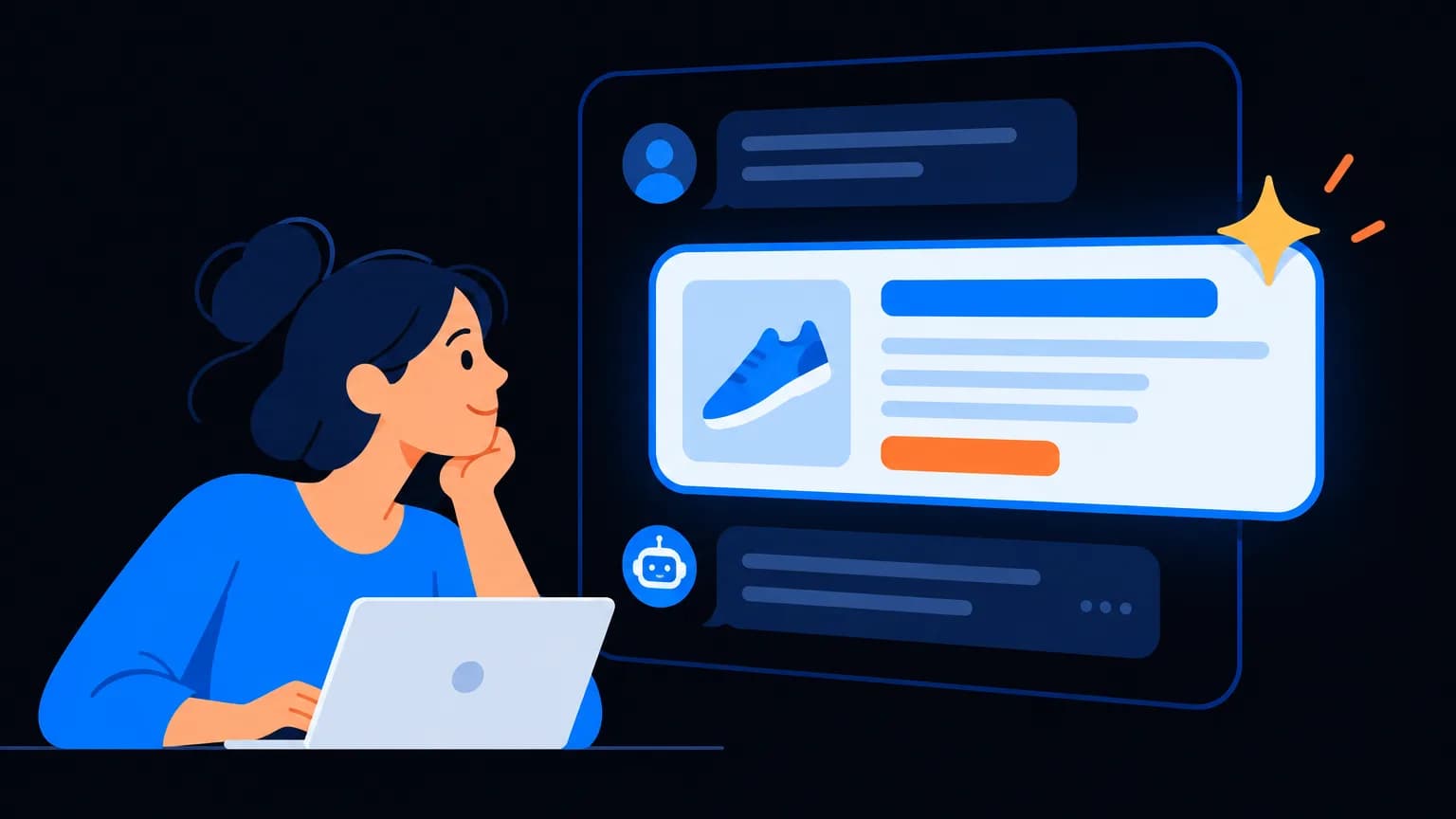
ChatGPT ads are sponsored, labelled placements shown alongside AI answers. They put your offer in front of people in the middle of a buying conversation, for example "best CRM for a 10-person sales team in Pune". In 2026 the format is still evolving, so smart businesses test with a small, ring-fenced budget, prepare clean product data and landing pages, and pair it with GEO to show up organically in AI answers too (as of Sept 2026).
Why AI-platform ads matter
- Intent is richer. People describe their full situation, not a two-word keyword.
- Fewer, more relevant slots. There's less clutter than a search results page.
- Research is moving to AI assistants. Buyers increasingly shortlist vendors in chat before visiting a website.
How they typically work
| Element | What to expect |
|---|---|
| Placement | Labelled sponsored units near or within the answer experience |
| Targeting | Conversation context and topic relevance rather than single keywords |
| Formats | Text, product or offer cards, links to a landing page or chat handoff |
| Measurement | Clicks, conversions via tracking parameters and your analytics |
Exact formats, targeting options and eligibility vary by region and are still changing. Always check the current advertiser documentation.
Who should test first?
- Considered purchases where buyers research: SaaS, B2B services, education, healthcare, real estate, finance
- Businesses with clear, comparable offers: transparent pricing helps
- Brands already profitable on Google Search looking for the next channel
How to prepare, step by step
- Tighten your offer: one-line value proposition, price or "from" price, and proof.
- Structure your product data: clear plan names, features and FAQs on your site (schema helps).
- Build dedicated landing pages that answer the full question a chat user asked.
- Set up tracking: UTM parameters, GA4 events and conversion values.
- Ring-fence a test budget, e.g. ₹25,000–₹50,000/month, for 6–8 weeks.
- Define success up front: cost per qualified lead or ROAS vs your Google benchmark.
- Iterate weekly on copy, offers and landing pages.
Paid vs organic in AI answers
Paid placements get you in front of people now. GEO (generative engine optimisation) earns you citations in organic AI answers over time: clear facts, answer-first content, structured data and consistent entity information. Read GEO vs SEO.
Risks and guardrails
- Evolving policies: keep claims factual and compliant.
- Measurement gaps: use first-party tracking and compare with holdout periods.
- Brand safety: review where and how your brand appears.
- Don't cannibalise winners: keep proven Google and Meta campaigns running while you test.
How RapBooster helps
We run ChatGPT and AI-platform ads alongside Google, Meta and LinkedIn with the same flat management fee by spend tier (from ₹8,000/month per platform, excl. GST). See ChatGPT Ads management and Performance Ads plans.


 Questions first? Chat with us on WhatsApp